- Smooth motion from calm to rush via luckywave casino gaming flow
- The Architecture of Digital Engagement
- Visual Dynamics and User Psychology
- Curated Variety for Diverse Preferences
- The Role of Content Evolution
- Strategic Approaches to Player Longevity
- Navigating the Rewards Ecosystem
- Advanced Algorithmic Personalization
- Dynamic Atmosphere and Sensory Integration
- Expanding the Digital Horizon
Smooth motion from calm to rush via luckywave casino gaming flow
The transition from a quiet evening to an adrenaline-fueled experience requires a specific type of digital environment. When players seek a balance between relaxation and high-stakes excitement, luckywave casino provides a sophisticated platform designed to manage that emotional shift seamlessly. This journey begins with a user-friendly interface that invites exploration without overwhelming the senses, allowing for a gradual buildup of interest and engagement. The architecture of the site ensures that every click feels intentional, leading the participant through a curated sequence of entertainment options that cater to various moods and preferences.
Modern digital entertainment demands more than just a collection of games; it requires a cohesive atmosphere that responds to the user's psychological state. As the tempo increases, the visual and auditory elements of the platform adapt, creating a sense of momentum that carries the player forward. This carefully managed flow prevents the fatigue often associated with endless scrolling or disorganized menus. By focusing on the rhythm of the interaction, the service establishes a reliable foundation for long-term enjoyment, making the shift from calm leisure to intense gaming a natural progression.
The Architecture of Digital Engagement
Designing a high-performance gaming environment involves a deep understanding of human interaction patterns. Developers must consider how a person moves through a digital space, ensuring that no friction points interrupt the psychological flow. This means optimizing load times, streamlining navigation, and ensuring that the visual hierarchy guides the eye toward the most relevant features. When these elements work in harmony, the user experiences a sense of mastery over the platform, which is essential for maintaining interest over extended periods of time.
The technical backend plays a role that is often invisible to the user but remains critical to the overall experience. Stable servers and rapid response times allow for a seamless transition between different game types, whether moving from a slow-paced card game to a high-octane slot machine. Without this underlying stability, the rhythmic flow of the session would be broken by lag or loading screens, destroying the immersion that modern players demand. Therefore, the pursuit of excellence in this niche is as much about infrastructure as it is about aesthetic design.
Visual Dynamics and User Psychology
Color palettes and motion graphics are not merely decorative; they serve as psychological cues that signal changes in intensity. A soft, muted color scheme can help a user settle into a relaxed state, ideal for casual browsing or strategic thinking. As the player moves toward more active segments of the platform, the introduction of sharper contrasts and more energetic animations helps to elevate the heart rate and focus. This subtle manipulation of sensory input allows the platform to act as a conductor for the user's emotional state, guiding them from a state of rest to one of heightened anticipation.
Furthermore, the spatial arrangement of elements on a screen can influence how a user perceives their options. Grouping similar activities together helps reduce cognitive load, allowing the brain to process choices more efficiently. When the interface is cluttered, the sense of calm is lost, replaced by a feeling of frustration. By adhering to strict design principles, the platform ensures that even during the most intense moments of play, the user remains in control of their journey through the digital landscape.
| Interface Design | Navigation Control | Minimizes cognitive friction |
| Visual Feedback | Status Indication | Reinforces player actions |
| Sound Engineering | Atmospheric Setting | Regulates emotional tempo |
| System Latency | Technical Stability | Maintains immersion levels |
The relationship between technical performance and user satisfaction is direct and measurable. A platform that fails to deliver on its promises of speed and reliability will quickly lose its audience, regardless of how many games it offers. This is why investment in cutting-edge technology is a prerequisite for any serious player in the digital entertainment industry. The goal is to create an environment where the technology disappears, leaving only the pure experience of the games themselves.
Curated Variety for Diverse Preferences
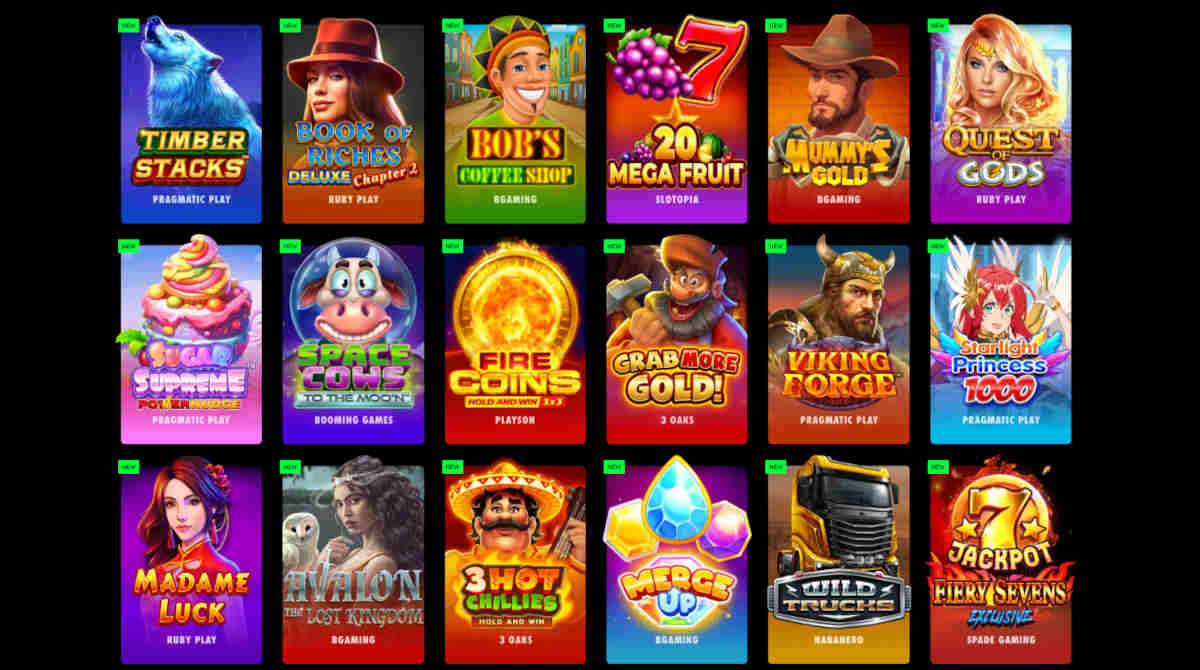
One of the most significant challenges in managing a large-scale gaming platform is providing variety without causing choice paralysis. A well-structured library must offer a wide spectrum of experiences, from classic simulations to avant-garde digital creations. This diversity ensures that every visitor finds something that resonates with their specific tastes. The key lies in the categorization and presentation of these assets, making it easy for users to pivot between different styles of play as their mood evolves throughout a single session.
Effective curation involves more than just adding new titles to a list; it requires an understanding of the trends and preferences within the global gaming community. By constantly updating the selection and highlighting new arrivals, the platform remains fresh and relevant. This proactive approach to content management prevents the experience from becoming stagnant and encourages repeat visits from users who are constantly looking for the next unique sensation.
The Role of Content Evolution
Content is never static in a successful digital ecosystem. As player preferences shift, the platform must be agile enough to adapt its offerings accordingly. This might involve integrating new mechanics, such as interactive storytelling elements or social multiplayer features, which add layers of complexity to the standard gameplay loop. By evolving alongside its audience, the service ensures that it remains a destination for both veteran players and newcomers alike.
- High-definition graphics for immersive visual storytelling.
- Diverse mathematical models to cater to different risk profiles.
- Thematic consistency within specific game categories.
- Integration of progressive jackpot mechanics for long-term goals.
- Regular updates to ensure compatibility with modern hardware.
This diversity of content acts as a safety net for user engagement. If a player becomes bored with one particular genre, the proximity of alternative options allows for a quick transition, preventing the session from ending prematurely. This ability to switch gears is a hallmark of a high-quality gaming environment, where the variety is not just vast, but strategically organized to support the natural ebb and flow of human interest.
Strategic Approaches to Player Longevity
Maintaining a loyal user base requires a multi-faceted approach that goes beyond the initial attraction of a platform. It involves creating a sense of progression and reward that keeps players coming back. This can be achieved through various loyalty programs, personalized offers, and a sense of community. When a player feels that their time and engagement are valued, they are much more likely to view the platform as a primary source of entertainment rather than a one-time curiosity.
The integration of gaming mechanics such as levels, achievements, and milestones can transform a simple series of activities into a continuous journey. This sense of purpose is highly motivating and encourages users to explore more of the platform's features. However, these elements must be implemented with care to avoid feeling artificial or overly demanding. The most successful implementations are those that feel like a natural extension of the gameplay itself, rather than a separate, chore-like layer added on top.
Navigating the Rewards Ecosystem
A structured rewards system provides a tangible reason for users to stay engaged. This does not necessarily mean constant financial incentives; it can also involve access to exclusive content, early previews of new games, or specialized status within the community. By tiering these rewards, the platform creates a sense of aspiration, encouraging players to deepen their relationship with the service to unlock higher levels of prestige and benefit.
- Identify the core motivations of the target audience.
- Design a tiered system that rewards consistent engagement.
- Implement automated systems to track and distribute benefits accurately.
- Analyze user behavior to refine the reward structure over time.
- Communicate the value of the program clearly to all participants.
When managing these systems, the platform must ensure that the sense of fairness is maintained. If the rewards feel unattainable or if the rules change too frequently, the trust between the user and the service will erode. Transparency is the foundation of any successful loyalty program. By being clear about how progress is measured and how rewards are earned, the platform fosters a long-term relationship built on mutual respect and predictable outcomes.
Advanced Algorithmic Personalization
In the modern era, the most effective way to enhance user experience is through personalization. By utilizing data-driven insights, platforms can tailor the interface and the game suggestions to match the unique profile of each individual. This means that two different users logging into luckywave casino might see entirely different homepages, with the content arranged to highlight their favorite genres or most-played titles. This level of customization makes the experience feel intimate and specifically designed for the person using it.
The algorithms responsible for this personalization must be sophisticated enough to recognize subtle patterns in behavior. For example, if a user tends to play more strategic games during the early part of their session and high-intensity slots later, the system should learn to present those options in that specific order. This predictive capability turns the platform from a passive tool into an active participant in the user's entertainment journey, anticipating needs before they are even consciously felt.
However, the implementation of such technology must be balanced with privacy considerations and user agency. It is important that the personalization does not become so restrictive that it creates a filter bubble, preventing the user from discovering new and potentially interesting content. The ideal system offers a guided experience that suggests relevant items while still providing easy access to the entire library, allowing the user to step outside the suggested path whenever they desire.
Dynamic Atmosphere and Sensory Integration
The emotional journey from calm to rush is heavily dependent on how the platform manages its sensory output. Soundscapes play a vital role in this, as audio is often the most direct way to influence a person's physiological state. Low-frequency, steady rhythms can induce a state of focused relaxation, while sudden shifts to higher pitches and faster tempos can trigger an adrenaline response. When these audio cues are synchronized with visual changes, the impact is amplified, creating a truly immersive environment that feels alive and responsive.
This synchronization is what separates a generic collection of digital games from a premium entertainment experience. The goal is to create a holistic atmosphere where every element—the light, the sound, the movement—works toward a single objective: the seamless management of the player's excitement levels. This level of detail is what allows a platform to sustain engagement through various phases of a session, ensuring that the user's journey is always moving forward, never hitting a dead end or a jarring interruption.
As technology continues to advance, we can expect these sensory experiences to become even more nuanced. The integration of haptic feedback, spatial audio, and even more advanced machine learning models will allow platforms to respond to user engagement in real-time with unprecedented precision. The future of digital gaming lies in this ability to create a truly reactive and sentient-feeling environment that understands and enhances the human experience of play.
Expanding the Digital Horizon
The evolution of online gaming platforms is moving toward a more integrated social model. Users no longer wish to play in isolation; they seek environments where they can interact with others, share achievements, and compete in a global arena. This shift requires the development of social layers within the platform, such as chat functions, community forums, and multiplayer tournaments. By fostering a sense of belonging, platforms can transform from simple service providers into vibrant social hubs where entertainment and community intersect.
This social dimension also introduces new ways to manage the flow of excitement. Competitive elements, such as leaderboards or live-streamed events, provide a collective surge of energy that can elevate the entire community's engagement levels. When players see others achieving success or participating in massive, synchronized events, it creates a powerful psychological pull that is much stronger than individual play. The challenge for developers is to integrate these social features without disrupting the individual's personal focus or the overall stability of the platform.

 –
– 
 –
– 
 –
–